
Screens below are illustrative, from Locus’s public demo, because the real work sits under NDA. To learn more about my role here, get in touch.
Snapshot
Who I designed for
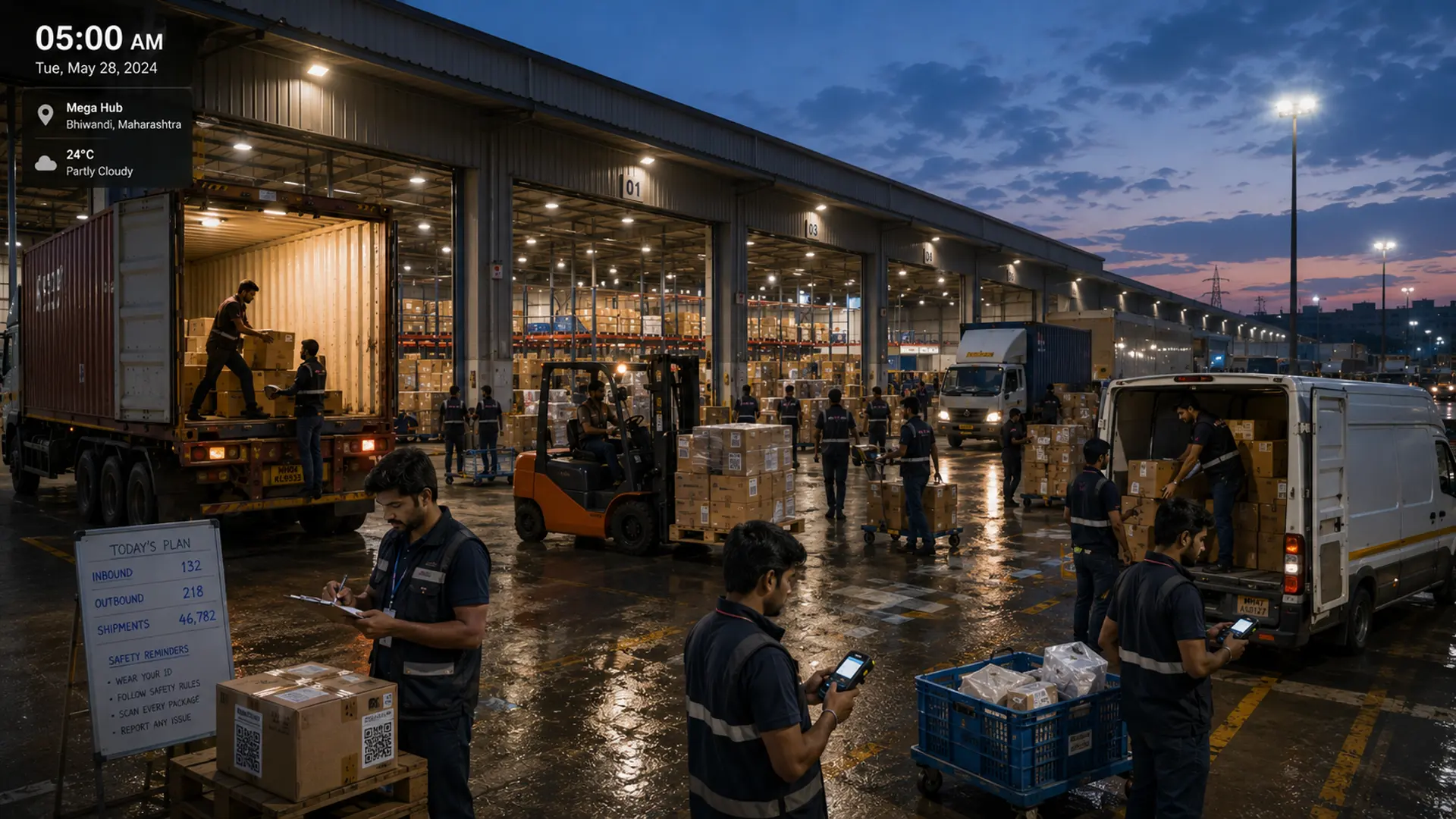
Operations teams running live delivery networks. Hundreds of exceptions on one screen, real money on every call, no time to think twice. A driver calls in sick, an address will not resolve, and a dispatcher has minutes to stop that becoming a day of late deliveries. Designing for that state became my specialty.
Map Master
My first project, and how I learned the domain from the ground. Teams needed delivery territories with rules attached, which vehicles and riders belong to each zone, so planning could assign work automatically. Google’s maps could not carry those parameters, so we built our own, feeding the geocoding engine that turns a messy address into a point a route can use. A senior designer later took it to a second version.
Order Management
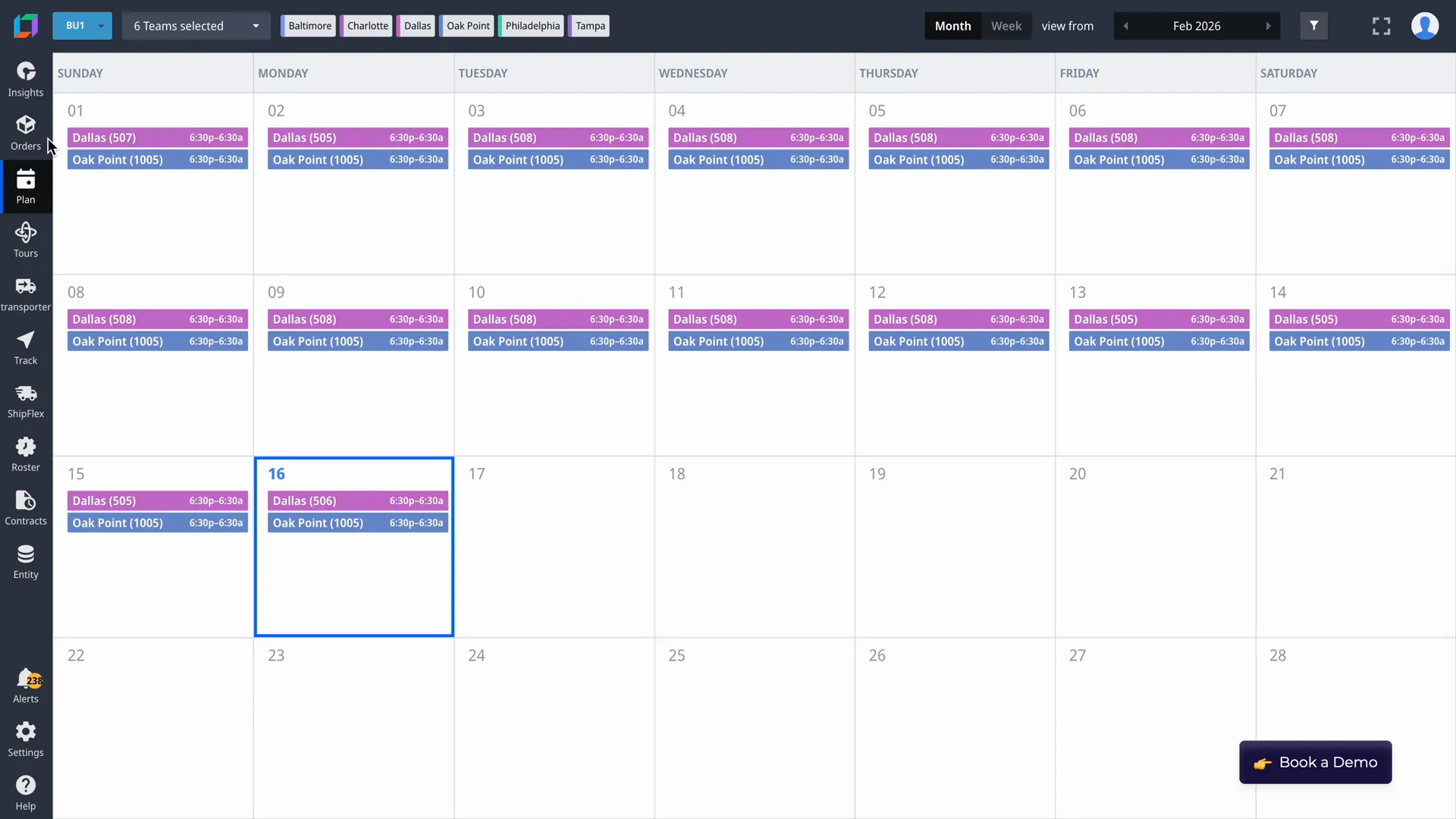
Locus could build delivery batches only once a day. The calendar tells it: same homebases, same evening cut-off, every square of the month.
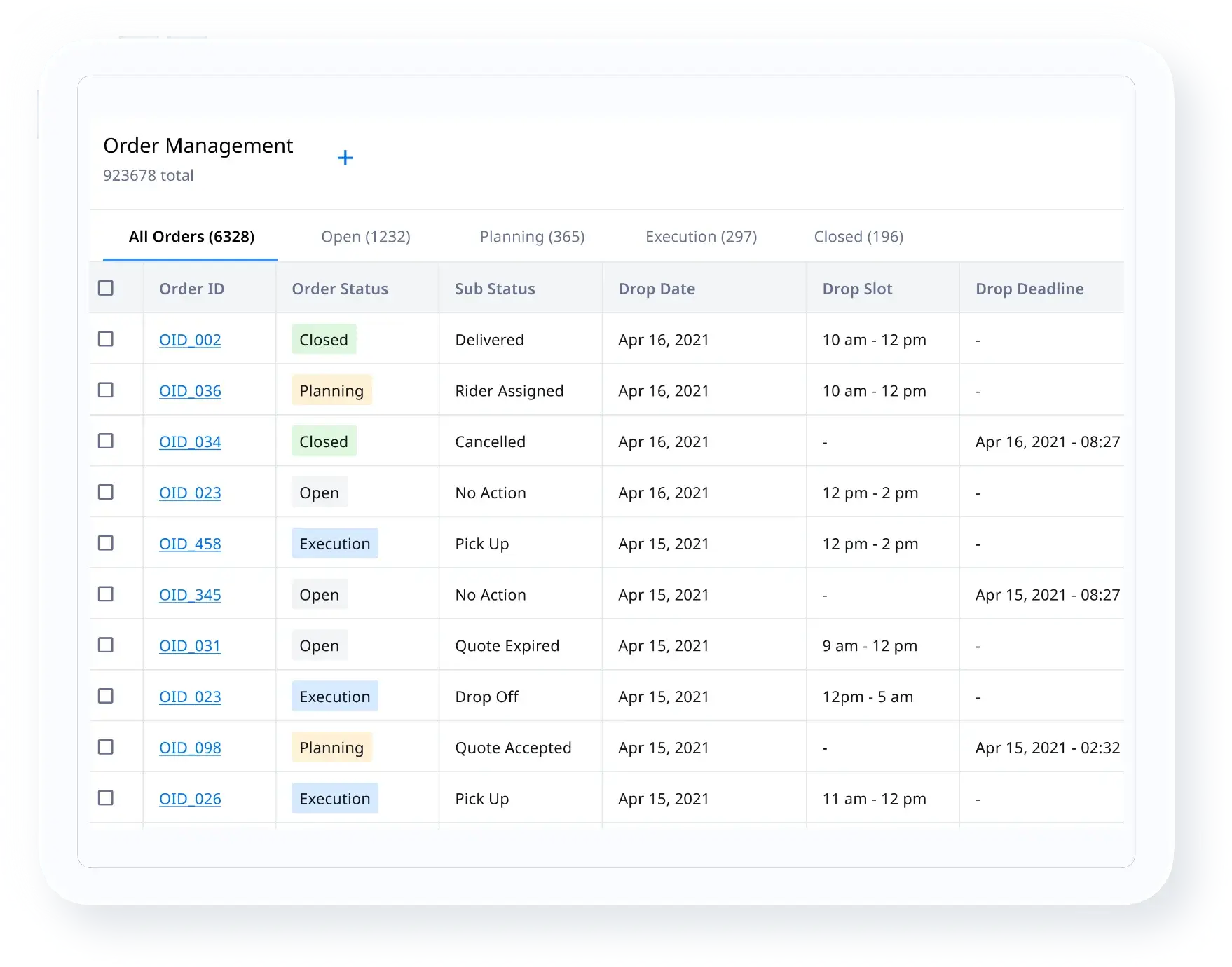
I designed the order list feeding those batches, every order carrying its status, drop date, slot and deadline.
Batch-per-day broke one person in particular: the operator who logged in at three in the morning, ran the plan by hand for forty-five minutes, watched it fail, and waited on devops kept on standby because that was the only way through the night. We moved planning to run in advance and update in increments. Capacity and route quality rose, SLAs held, and she got her nights back. That insight is a product Locus sells today.
The dispatcher
Every tour on a timeline, every vehicle against its capacity, the map showing what the numbers mean.
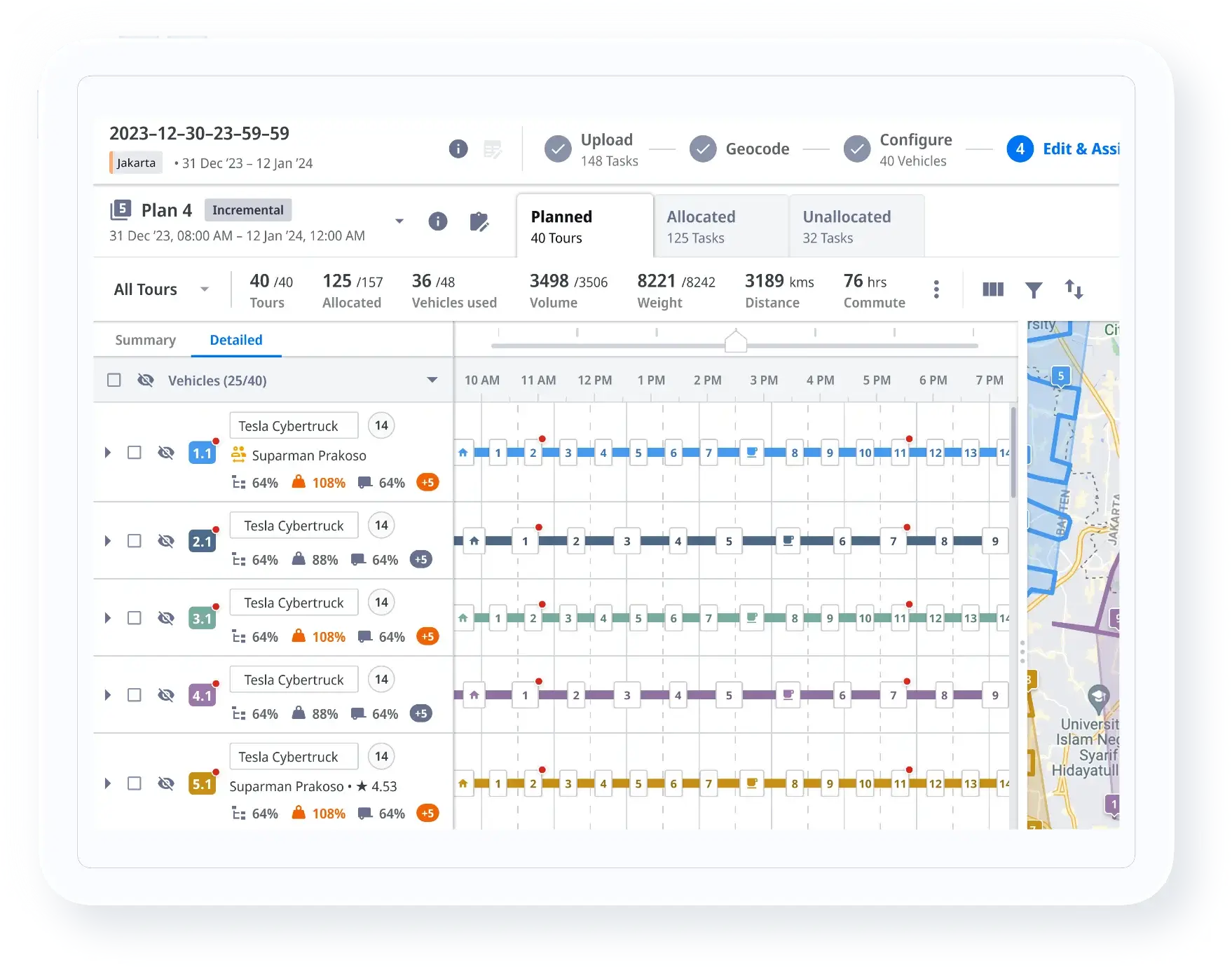
The one module I did not start. A senior designer owned it, and when he moved on I held it through the gap until the next senior designer took it over. Unglamorous, and exactly what a design lead is for.
Capacity Management
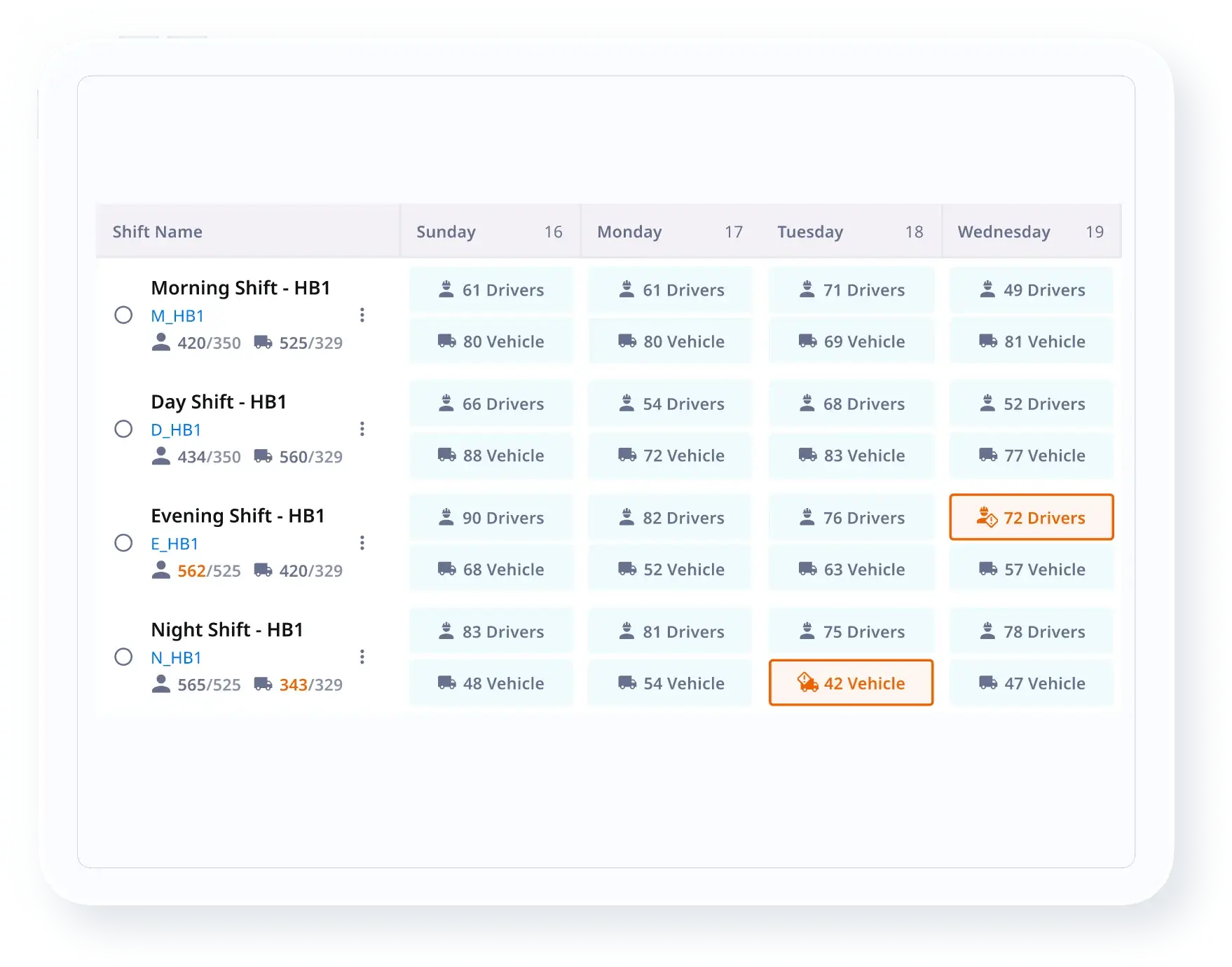
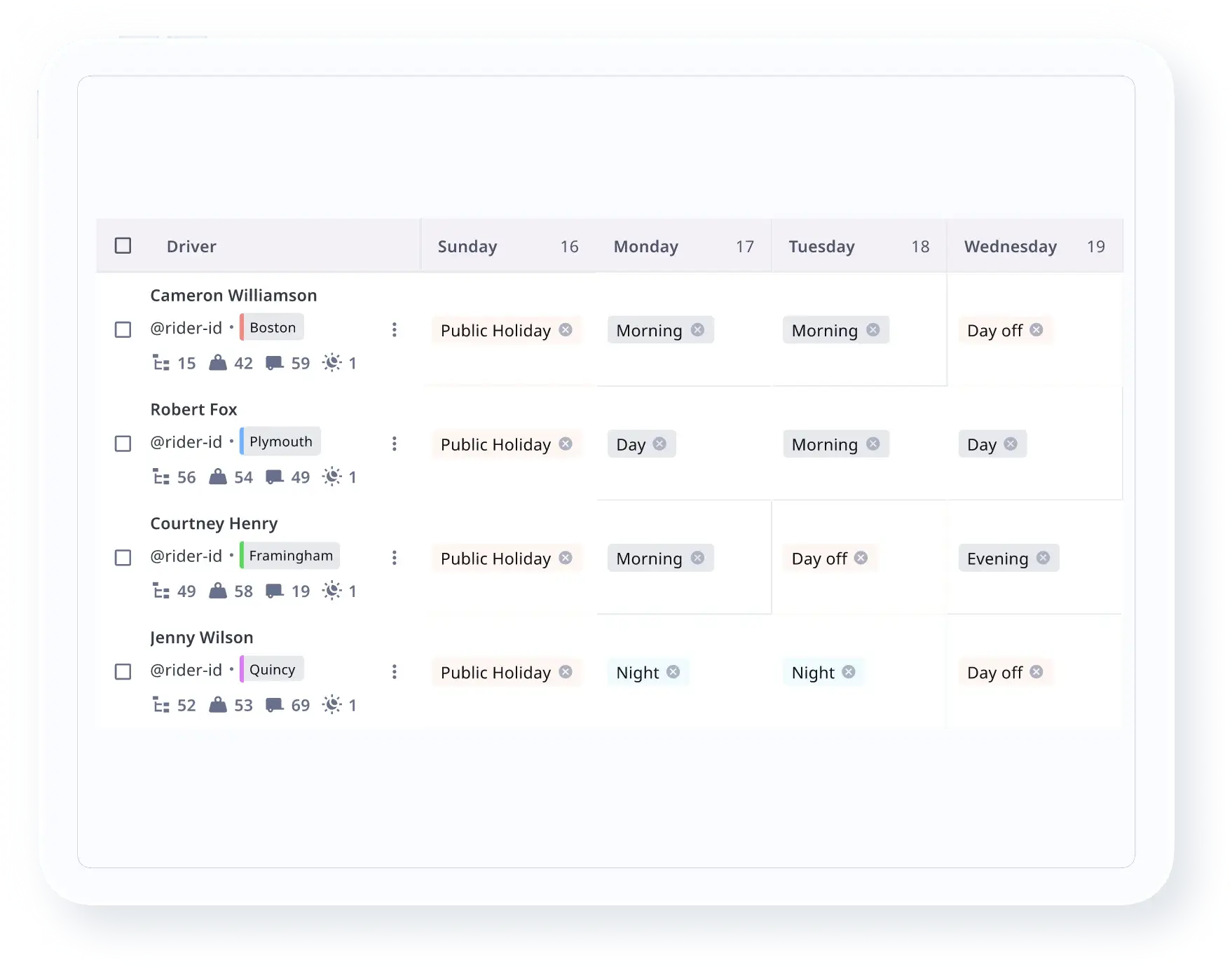
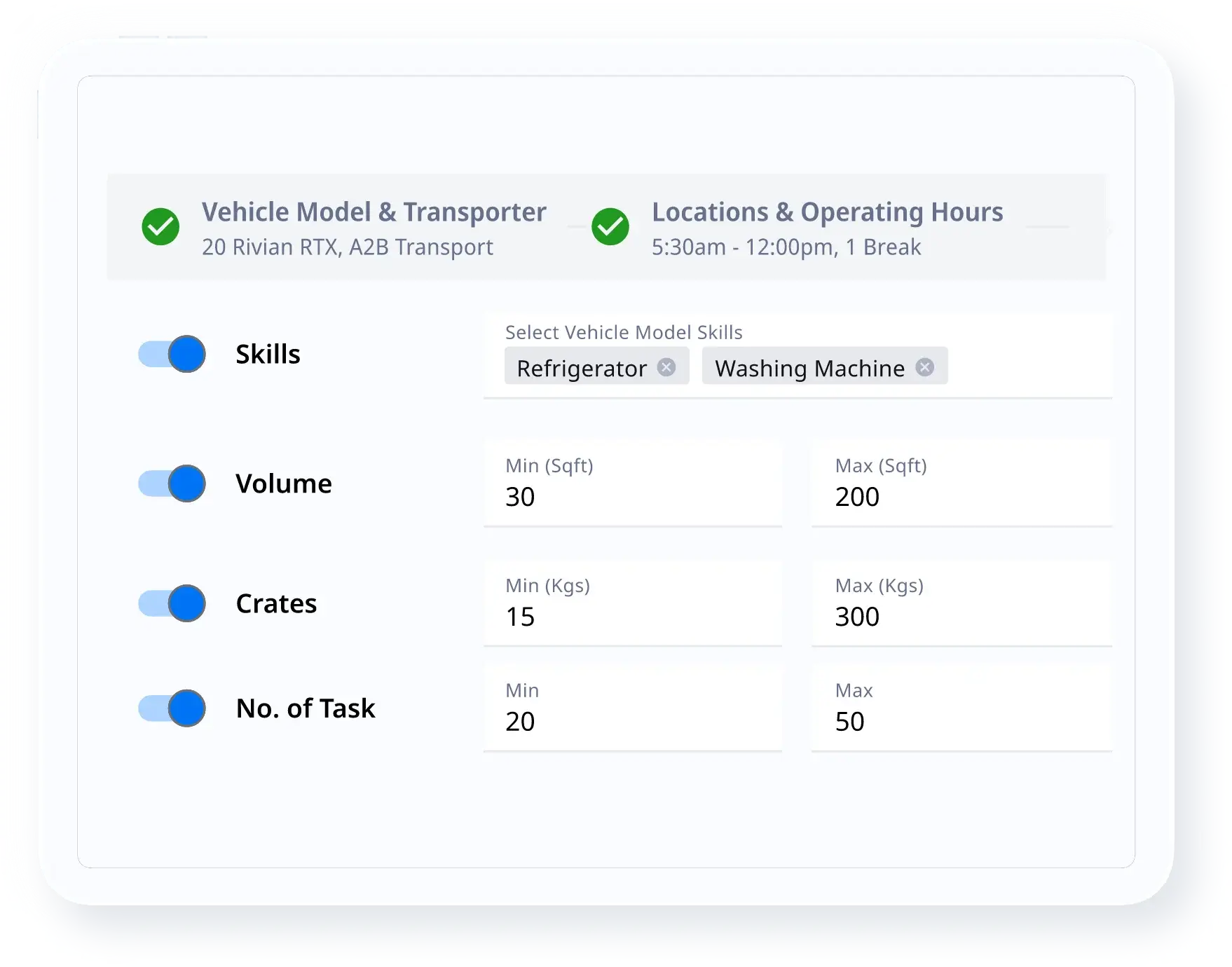
Plans made against the capacity a team actually has. I built this vertical hands-on: a week of shifts with shortfalls flagged before they cost a delivery window, a person’s week where days off are facts the plan respects, and vehicle constraints defined once.
The quiet win was the map. Working with the dispatcher’s designer, I brought zones, markers and boundaries into the shared library as components, so nobody rebuilt them.
Track and trace
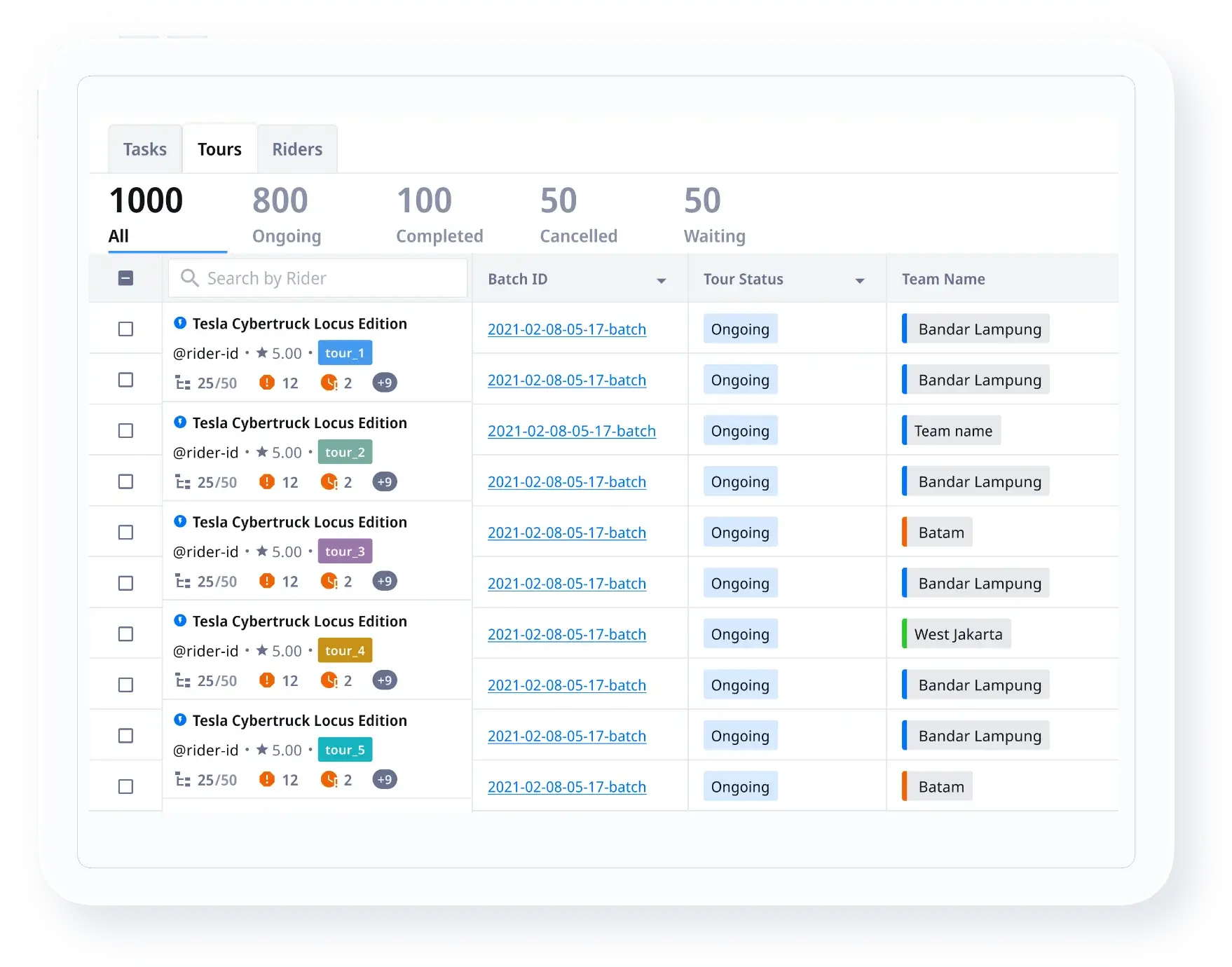
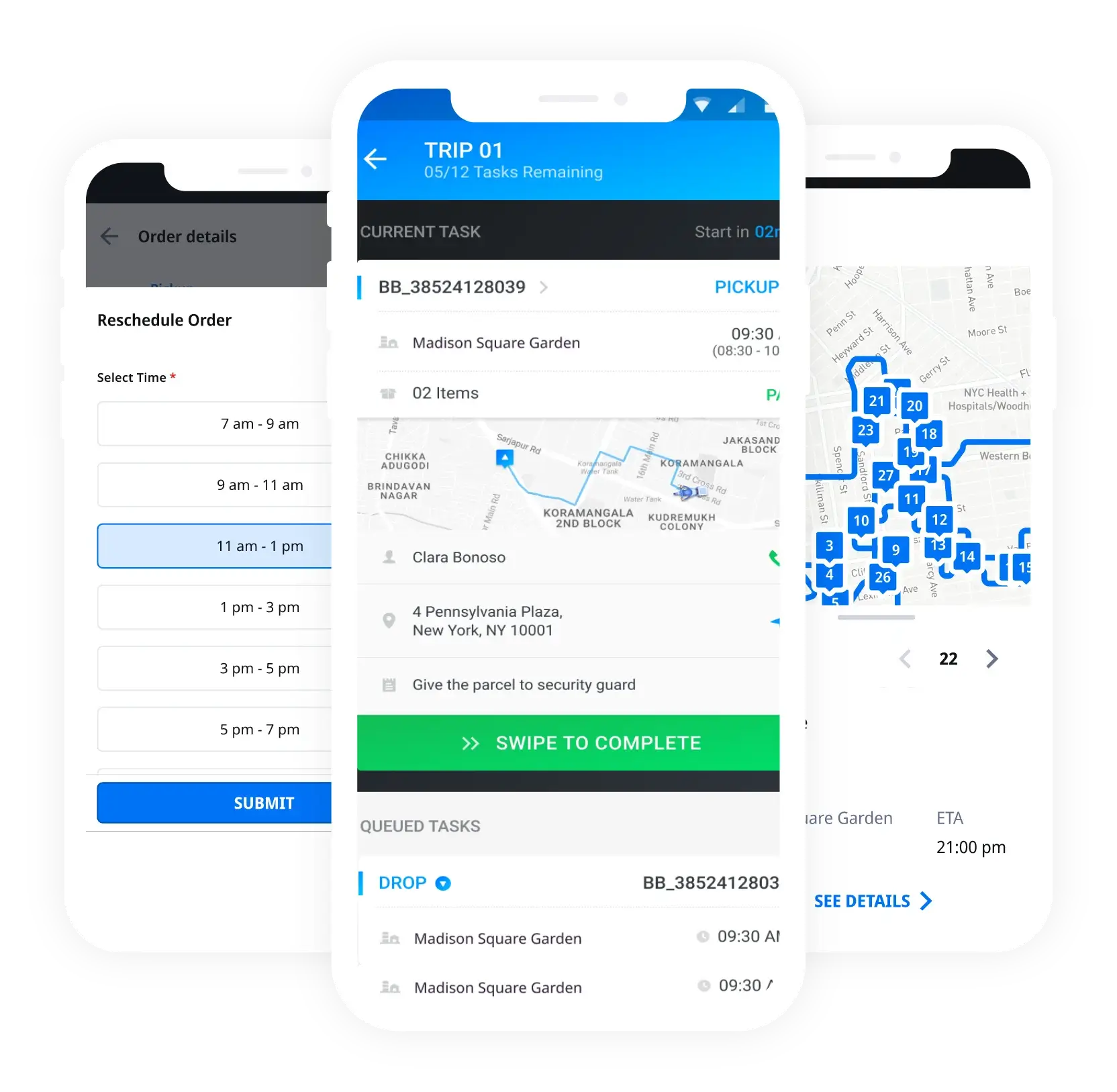
A thousand tours in flight, readable by batch, status and team. I ran the UI refresh with the tracking designer, then handed the module to the designer who had taken Live View, so tracking and the driver app moved together.
Analytics
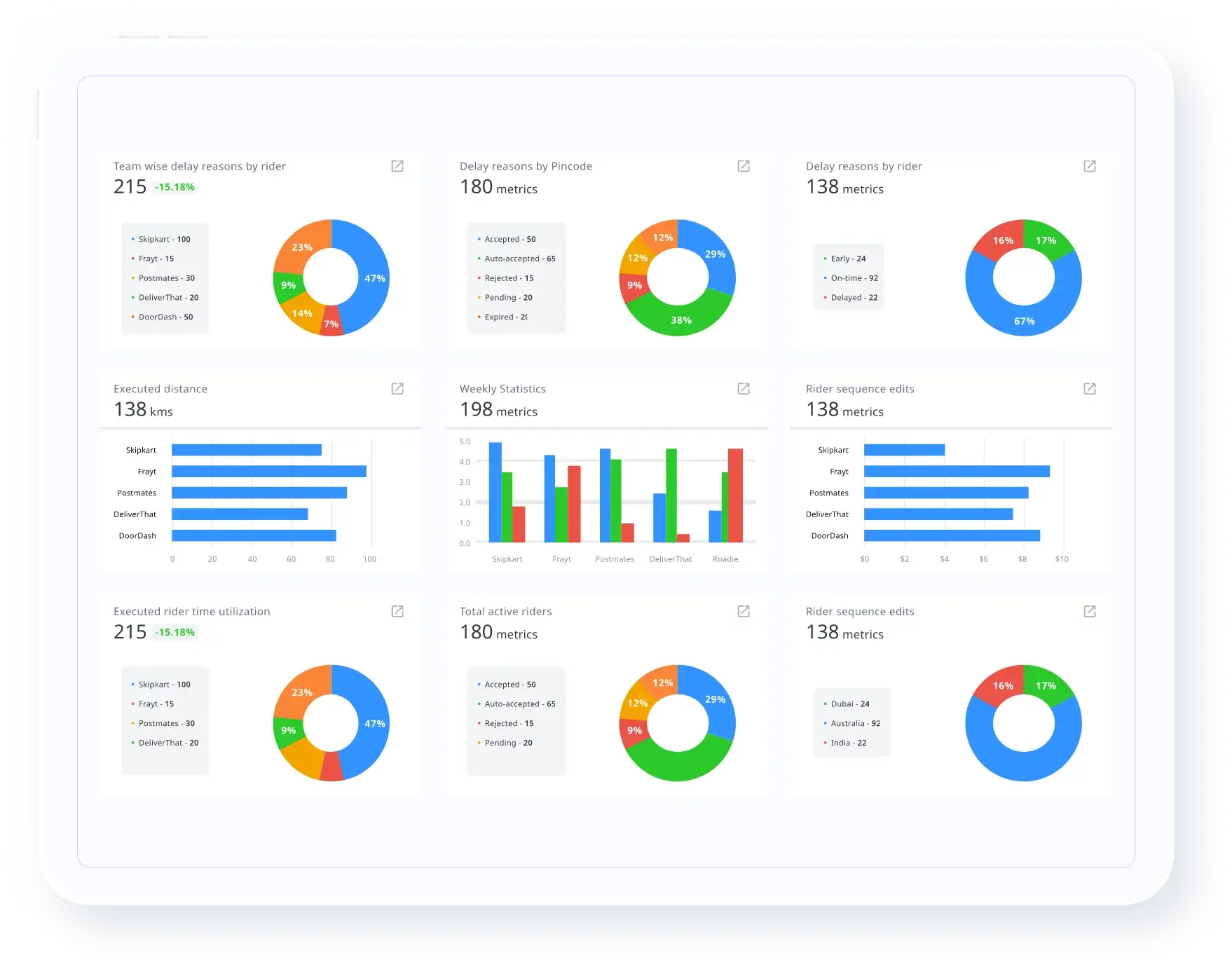
I designed the first dashboards with the designer who went on to own analytics end to end. The bar was consistency: a delay chart reads the same on every dashboard, whichever pod shipped it. Analytics is where a design system proves itself or gets found out.
Beyond the captive fleet
A captive fleet only covers so much. Orchestration connected clients to third-party carriers, lifting serviceability and sales, and grew into ShipFlex, the multi-carrier product I later designed through a team of five at my studio. NodeIQ went the other way: a global apparel group’s entire operation as one living model, which I led and then coached a new designer to own. Underneath both, I rebuilt the platform’s JSON configs into a client directory editable from the UI, opening a customer self-service desk, and moved the team onto Pendo.
See it run
Sixty-eight seconds of the product as it ships today: orders geocoded, a plan built against the roster, a route re-sequenced mid-day.
How I built the team
Eight designers from about two thousand resumes. The pattern never changed: build the hard thing, hand it to the person who will own it, move to the next. The digital-twin designer went on to own analytics. The Order Management hire later led Delivery Linked Checkout. The Live View designer took over that team and picked up tracking. Six handoffs, each one held.
Monthly one-on-ones instead of a six-month appraisal, so a gap got fixed inside the month. That cadence is what let me give a very low rating honestly and privately, without it being an ambush.
The system
No system when I arrived. Sketch files scattered across machines and Drive, and a main file that took forty seconds to open. The lead designer left, and two of us held the library for a company onboarding clients and preparing a raise. GitHub for Sketch was blocked by compliance and importing into Figma broke on masks, so I rebuilt it on one rule: a primitive cannot contain a decision.
Freezing the small visual decisions once freed the team to think in flows. Work that took days took hours, and product managers mocked up their own ideas at near-final fidelity years before an AI tool could.
The one that got away
A configuration surface I owned ran six months and never shipped. The reason was method, not people: no A/B test, no controlled way to let real behaviour settle the hard questions, so disagreement hardened and the work drifted. I never again let a build run more than a few weeks without something real in front of a user.
Outcome
Acquired by Ingka Group, the world’s largest IKEA retailer, in 2025, by then publishing 1.5 billion deliveries optimised across 30-plus countries. The system held and the team held at the moment an acquirer looked closely, and that is the most I will claim about my part in it.
At Locus, Rohan led design for complex systems and built a Figma library that transformed workflows, making design faster, clearer, and more collaborative.
Shamesh Krishna, Director of Product, Locus.sh